
Cast Iron Scrap Guide

Cast Iron Scrap Pickup Options

Review casting type, brittleness, fracture condition, dimensions, attachments and buyer-evaluation factors before requesting pickup.

Acceptance Varies by Buyer
Pickup Subject to Availability
Final Offer After Inspection
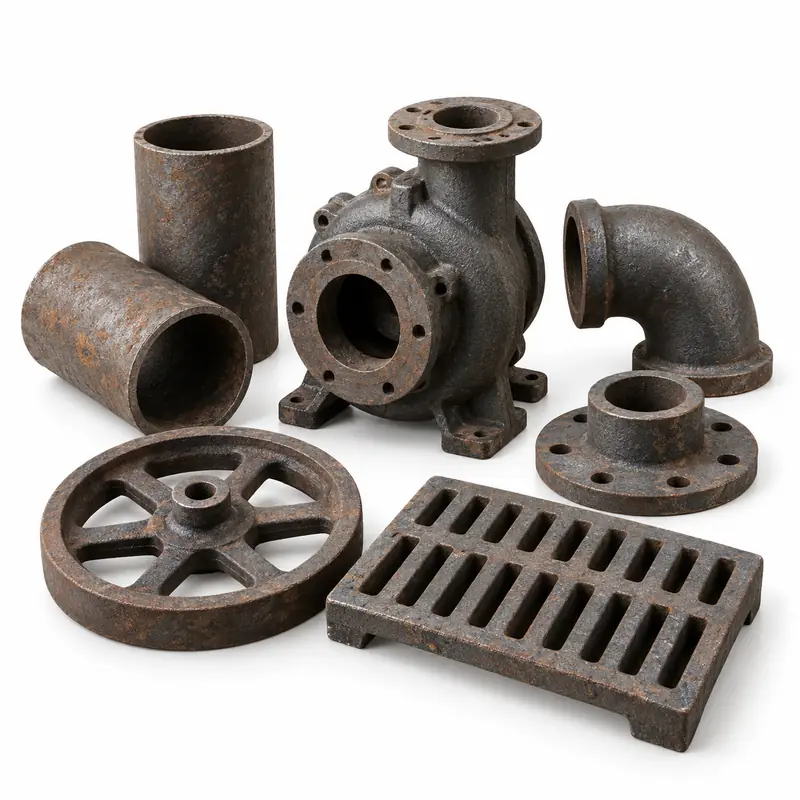
Cast iron pipe fittings, machine housings and heavy cast components prepared for evaluation

Request Cast Iron Scrap Pickup in 4 Simple Steps

Share accurate cast iron details, compare participating buyers and confirm classification, collection terms and the final offer.

Add Cast Iron Details

Mention the item types, dimensions, approximate quantity or weight, condition, attachments and clear photographs of the cast iron scrap.

Compare Buyer Options

Review participating buyers that may consider the disclosed cast iron scrap in your location.

Request Pickup

Choose an available collection option and confirm minimum quantity, access, preparation, dismantling, loading and any pickup charge.

Confirm the Final Offer

The selected buyer confirms acceptance, ferrous classification, measured weight, deductions, payment and the final offer after inspection.

Cast Iron Scrap Pickup and Recycling Guide

Sell Cast Iron Scrap Online

Cast iron scrap needs careful handling because dense castings may be brittle and can include embedded components or residue. BharatBin helps customers compare participating buyer and pickup options.

Before requesting collection, identify the cast iron item types, approximate dimensions and weight, condition, coatings and non-ferrous or non-metal attachments. Clear photographs can support a preliminary assessment. Buyers may consider probable cast grade, item form, wall or section thickness, fracture condition, measured weight, rust, oil or residue, embedded steel, bearings or other attachments, handling risk and contamination. Information shared before pickup is not a guaranteed offer; the selected buyer confirms acceptance, classification and final value after inspection.

Recycling Cast Iron Scrap

Materials and items that may be recoverable

Cast iron is a ferrous alloy category with properties and processing behaviour that differ from many rolled steel products. Clean castings can enter ferrous recovery, while embedded shafts, bearings, enamel, oil, residue and mixed assemblies may alter classification or deductions.

  • Household Scrap
  • Office Scrap
  • Bulk Quantities
  • Recyclable Materials
Item acceptance depends on the selected buyer, quantity, condition and pickup availability.

What to Confirm Before Cast Iron Scrap Pickup

Check casting type, breakage and safe handling terms

Before requesting collection, share the cast item type, approximate dimensions and weight, whether it is intact, cracked or broken, visible fracture surfaces, rust, oil, residue and any shafts, bearings, enamel or other attached materials. Ask the selected buyer to confirm acceptance, probable cast classification, safe containment, lifting and loading responsibility, pickup charges and slot, weighing method, attachment deductions, payment and final classification after inspection.

  • Accepted Cast Components
  • Cast Grade and Item Form
  • Cracks and Loose Fragments
  • Oil, Enamel and Attachments
  • Lifting and Loading Terms
  • Weight, Deductions and Payment
Share accurate item details before pickup. The selected buyer confirms acceptance, evaluation terms and the final offer after inspection.

Arrange Cast Iron Scrap Pickup

Cast Iron scrap pickup availability depends on the customer location, quantity, dimensions, property access and participating buyers operating nearby. Collection planning may depend on whether castings are intact, cracked or fragmented and whether safe handling equipment is required for dense or awkward pieces.

Request Pickup
Material Price Guides

Related Material Rate Guides

Cast iron scrap may be assessed by casting type, density, wall thickness, fracture condition, measured weight, rust, contamination and embedded components. A visual description is preliminary because buyers may distinguish cast iron from steel or mixed machinery only after inspection.

These rate guides are for general reference. The final offer for cast iron scrap may depend on cast grade, item form, measured weight, fracture condition, contamination, attachments, handling, location and buyer inspection.
Support Center

Frequently Asked
Questions

Have a question that isn't answered here? Find answers to common questions about scrap pickup options available through BharatBin.

Still have questions? Contact Support
What types of cast iron scrap may participating buyers consider?
Participating buyers may consider buyer-approved cast iron pipe and fitting sections, machine housings, pump bodies, counterweights, heavy cookware, grates and other identifiable cast components. Acceptance depends on the exact material, condition, quantity, site access, location and selected buyer requirements.
Can rusty or damaged cast iron scrap be included in a pickup request?
Some buyers may consider rusty or damaged cast iron scrap, but acceptance is not automatic. Share clear photographs and disclose the condition because evaluation may consider probable cast grade, item form, wall or section thickness, fracture condition, measured weight, rust, oil or residue, embedded steel, bearings or other attachments, handling risk and contamination.
How are cast iron scrap offers evaluated?
A buyer may consider probable cast grade, item form, wall or section thickness, fracture condition, measured weight, rust, oil or residue, embedded steel, bearings or other attachments, handling risk and contamination. Details or photographs shared before collection are preliminary; the selected buyer confirms classification, measured weight, deductions and the final offer after inspection.
How should I prepare cast iron scrap for pickup?
Keep cracked or broken castings stable and contain small fragments because cast iron can be brittle. Share dimensions and weight, disclose oil or residue and do not strike, drop or attempt uncontrolled breaking. Confirm lifting, loading and any dismantling requirements before pickup.
How is cast iron different from ordinary steel scrap?
Cast iron is generally produced as a casting and can be more brittle than many rolled or fabricated steel products. Appearance alone may not establish the grade, so the selected buyer confirms whether an item is cast iron, steel or a mixed assembly.
Should cast iron be broken into smaller pieces?
Do not strike or deliberately break cast iron merely to prepare it for pickup. Brittle pieces can fracture unpredictably and create sharp fragments; provide dimensions and let the selected buyer confirm safe handling or size requirements.
Is doorstep pickup always available for cast iron scrap?
No. Pickup depends on the customer location, material type, measured or estimated weight, dimensions, access and participating buyers operating nearby. A single dense casting may be considered, but equipment and access requirements still affect pickup. Confirm minimum quantity, loading responsibility and any collection charge before booking.
Can businesses arrange bulk pickup for cast iron scrap?
Yes, foundries, factories, workshops, plumbers, farms, contractors and institutions may request collection for larger quantities. Provide item types, dimensions, approximate piece or bundle count, estimated weight, condition, attachments, site access and preferred timing so participating buyers can assess the request.

Ready to Request Pickup for
Cast Iron Scrap?

Share the cast iron type, dimensions, condition and approximate quantity, compare participating buyers and request an available collection option.