Textile & Clothes Collection Guide

Textile and Used Clothes Acceptance & Collection Options

Learn how reuse condition, fibre type, cleanliness, moisture, sorting and quantity may influence textile buyer acceptance.

Reuse-or-Fibre Review
Clean and Dry Sorting
Buyer Acceptance
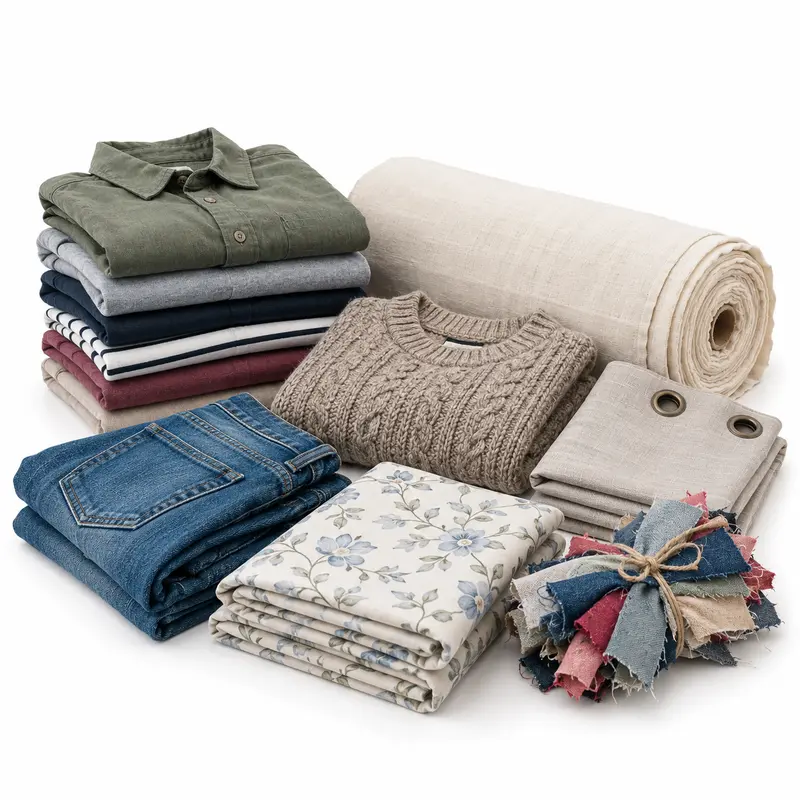
Clean used clothes, cotton fabric, denim, household linen and textile offcuts sorted for collection
Textile and Used Clothes Collection

Understanding Textile and Used Clothes Rates

Looking for textile and used clothes rate or value information? BharatBin helps households and businesses understand common evaluation factors, compare participating buyers and explore available collection options.

Scrap rates and offers are not fixed

BharatBin does not publish a single live or guaranteed textile and used clothes rate on this page. Offers can vary according to textile or garment type, fibre composition, reusable condition, cleanliness, dryness, stains or damage, accessories, sorting, quantity, packaging, location and buyer demand. The selected buyer confirms acceptance, classification or item value and the final amount after inspection.

What Affects the Scrap Rate?

Important pricing factors for textile and used clothes

Textile and used-clothes lots may include wearable garments, cotton, wool, denim, household linen, fabric rolls and production offcuts. Reuse condition and fibre-recovery value are different evaluation paths. Cleanliness, moisture, fibre mix, hardware, stains, damage and sorting can affect buyer acceptance.

  • Material Type
  • Purity
  • Quantity
  • Location
  • Market Demand

Pickup Availability

Collection across supported service areas

BharatBin provides textile and used clothes pickup information across supported service areas. Share the exact item or material type, approximate quantity, condition, clear photos and location when requesting collection. Availability and the final offer remain subject to the selected buyer’s acceptance and inspection.

Pickup availability depends on the material quantity, location and requirements of the selected buyer.

Why Recycling Matters

Recovering useful recyclable materials

Suitable textile collection can support clothing reuse, repair, wiping-material use or fibre recovery. Keeping usable garments separate from damaged fabric and preventing moisture or contamination helps preserve the available route without guaranteeing acceptance.

Review Before You Sell

Confirm the details of the buyer’s offer

BharatBin helps customers discover available buyers and request collection for textile and used clothes. The selected buyer checks the items or material and confirms acceptance, the evaluation basis and the final offer. Review quantity or weight, deductions, collection charges and payment method before completing the sale.

  • Material classification
  • Recorded weight
  • Applicable rate
  • Payment method
Textile Classification

How Different Clothes and Textile Lots May Be Evaluated

Textile lots may be considered for reuse or fibre recovery depending on garment condition, composition, cleanliness and sorting.

Common evaluation considerations for used clothes and textile material
Textile group Common examples Evaluation considerations
Reusable garments Wearable adult and children’s clothing Cleanliness, wear, tears, stains, style mix, seasonal demand, sorting and packing
Cotton textiles Clothes, sheets and cotton fabric Fibre content, colour, contamination, moisture, buttons or zips and consistency
Wool and knitwear Sweaters, blankets and woollen fabric Fibre composition, moth or moisture damage, odour, pilling and mixed synthetics
Denim Jeans, jackets and denim offcuts Cotton content, stretch fibre, hardware, colour, wear, cleanliness and lot quantity
Household linen Bedsheets, curtains, towels and covers Fabric type, stains, tears, moisture, accessories, reuse potential and sorting
Production offcuts Cutting waste, rolls and fabric remnants Known fibre, colour, piece size, contamination, consistency, packaging and volume

These are common evaluation considerations, not guaranteed buyer classifications. Keep textiles dry and disclose mould, chemicals, heavy soiling and mixed-fibre content.

Arrange Textile and Used Clothes Pickup

Share the material type, approximate quantity and pickup location to explore available buyer and collection options.

Check Pickup Options

How a Textile Lot Offer Is Evaluated in 4 Steps

See how textile or garment type, fibre composition, reusable condition, cleanliness, dryness, stains or damage, accessories, sorting, quantity, packaging, location and buyer demand may be used to determine acceptance and the final buyer offer.

Describe the Clothes or Textiles

Share whether the lot contains reusable garments, household linen, fabric, production offcuts or mixed textiles, with quantity and photos.

Review Fibre and Condition

The selected buyer may check fibre composition, cleanliness, moisture, stains, odour, damage, buttons, zips and reuse potential.

Confirm Sorting and Packaging

Ask whether reusable and damaged items or different fibres should be separated, and confirm packaging, minimum quantity and collection availability.

Confirm the Final Terms

Review accepted and excluded items, per-piece or weight basis, pickup charge, collection slot and payment method before handover.

Material Price Guides

Related Material Rate Guides

Explore related material rate guides and review common classification, grade, condition and measurement factors before comparing participating buyer options.

These guides explain general classification and pricing factors; they do not display live or guaranteed buyer prices. Final acceptance and offers depend on the material or item, condition, quantity, location, market demand and selected buyer’s inspection.
Browse Recyclable Materials

Explore Scrap Categories

Browse recyclable materials and compare participating scrap buyers through BharatBin. Acceptance, offers and pickup availability depend on the selected buyer, item details and location.

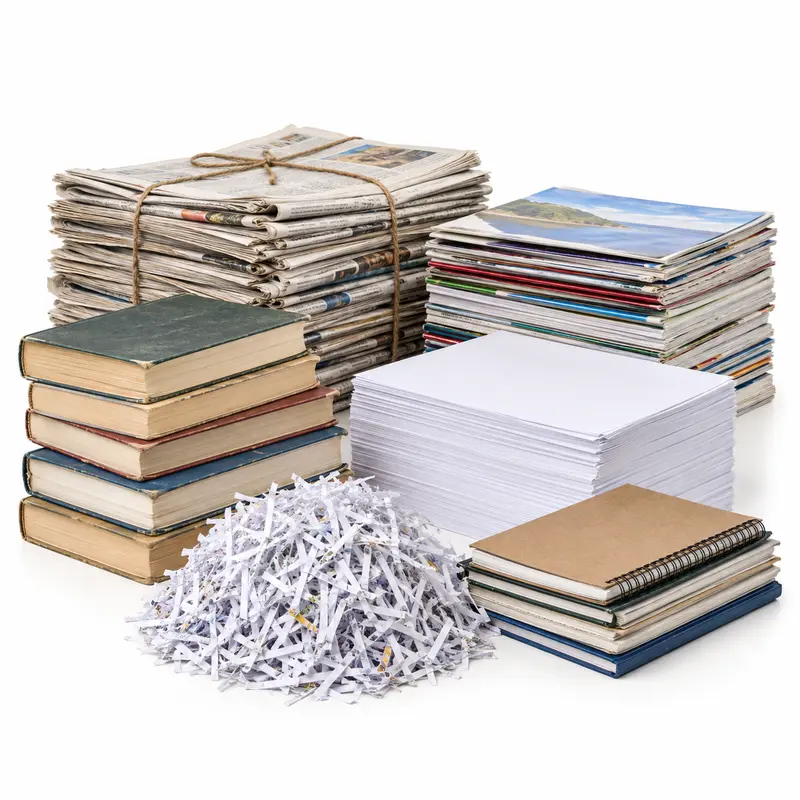
Paper Scrap

Paper Scrap

Newspapers, books, magazines, notebooks, office paper and other eligible paper grades.

View Paper Scrap options
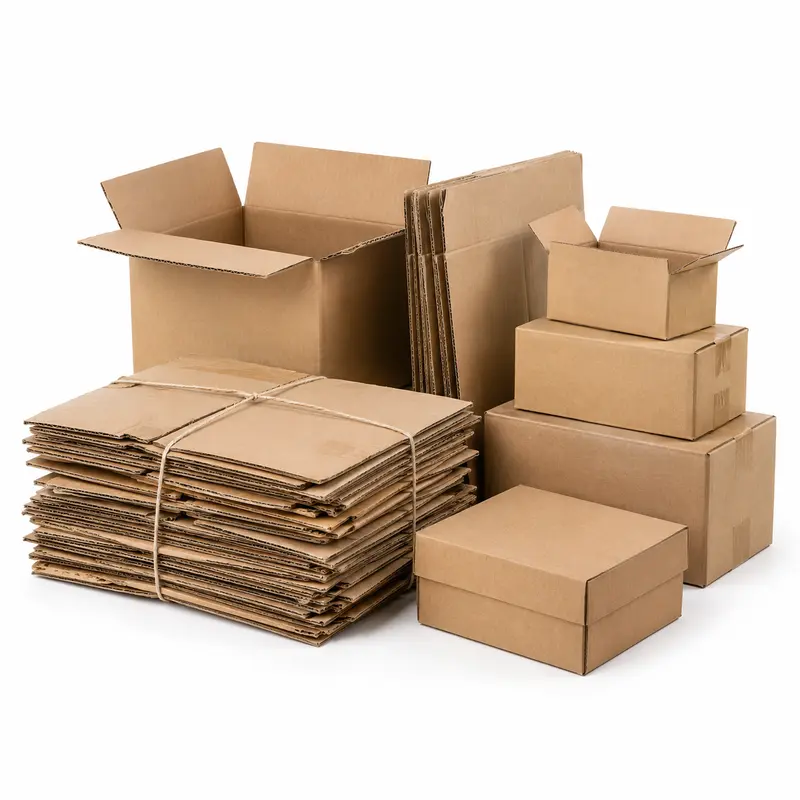
Cardboard Scrap

Cardboard Scrap

Corrugated cardboard, carton boxes, gatta, packaging board and other cardboard material.

View Cardboard Scrap options
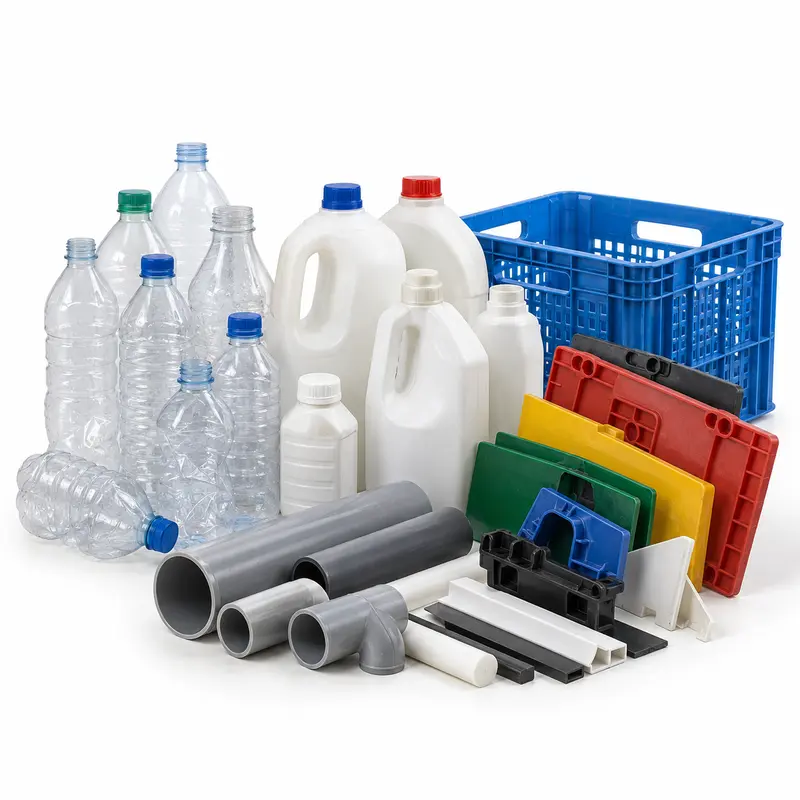
Plastic Scrap

Plastic Scrap

PET, HDPE, LDPE, PP, PVC, rigid plastic and other eligible recyclable plastic.

View Plastic Scrap options
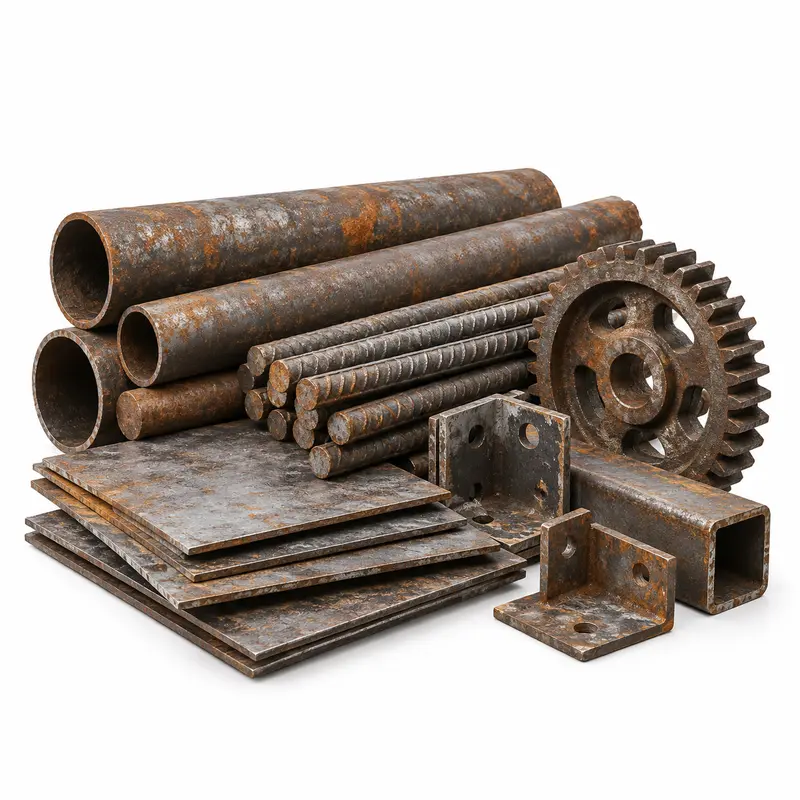
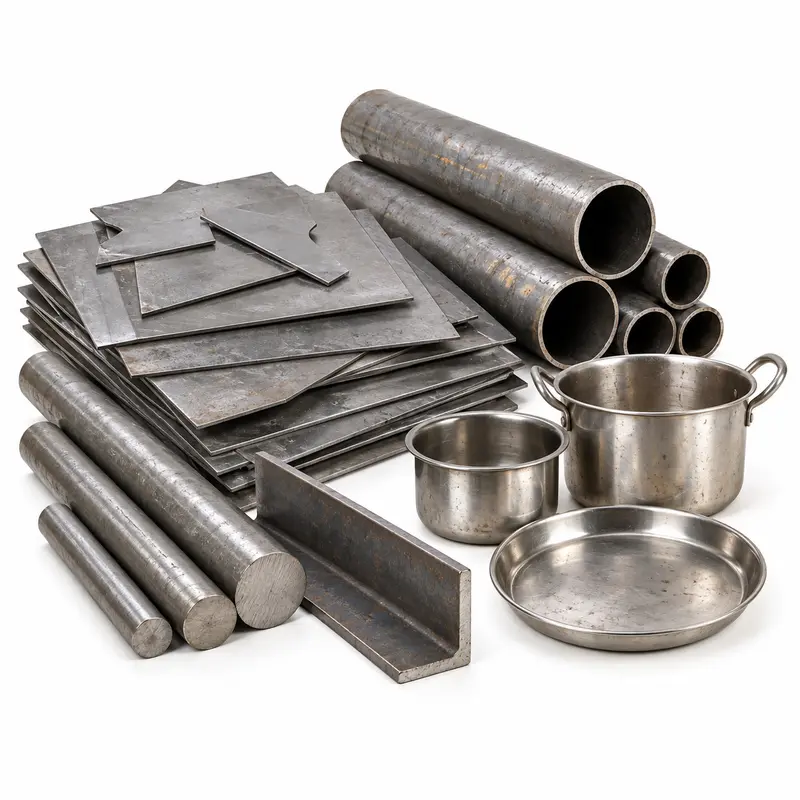
Iron Scrap

Iron Scrap

Light and heavy iron, sheets, rods, pipes, furniture, fixtures and equipment parts.

View Iron Scrap options
Steel Scrap

Steel Scrap

Steel utensils, sheets, pipes, rods, cabinets, equipment and structural material.

View Steel Scrap options
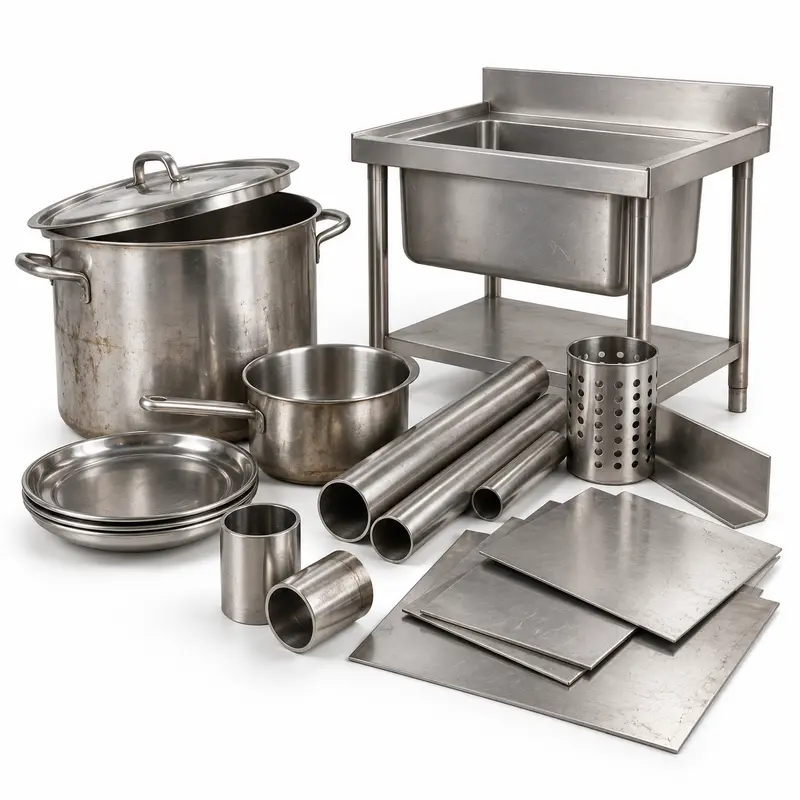
Stainless Steel Scrap

Stainless Steel Scrap

Stainless-steel utensils, sheets, pipes, kitchen equipment and industrial components.

View Stainless Steel Scrap options
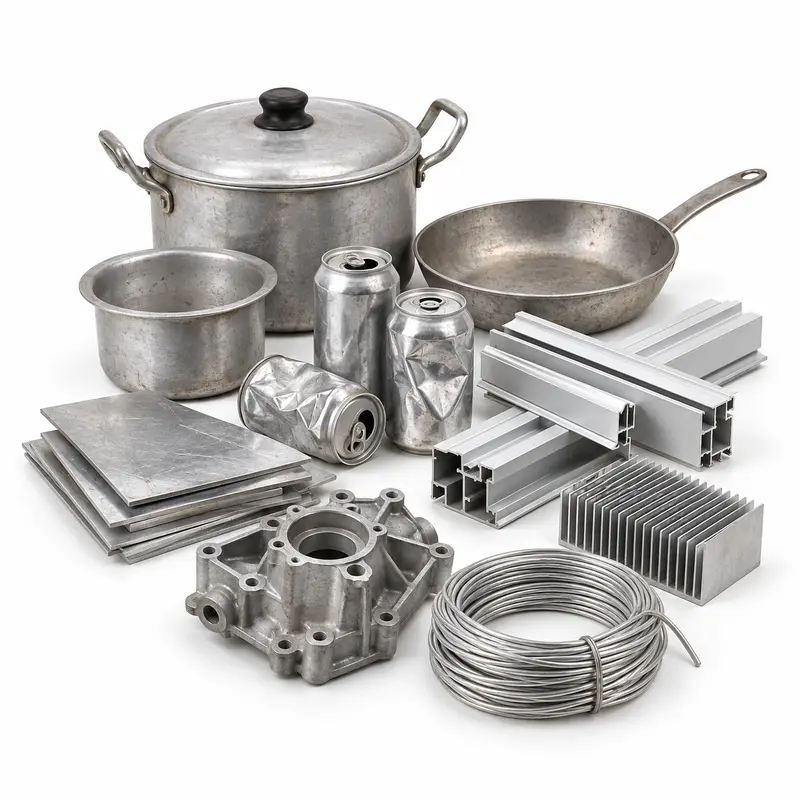
Aluminium Scrap

Aluminium Scrap

Aluminium utensils, cans, window sections, sheets, wire, heat sinks and cast parts.

View Aluminium Scrap options
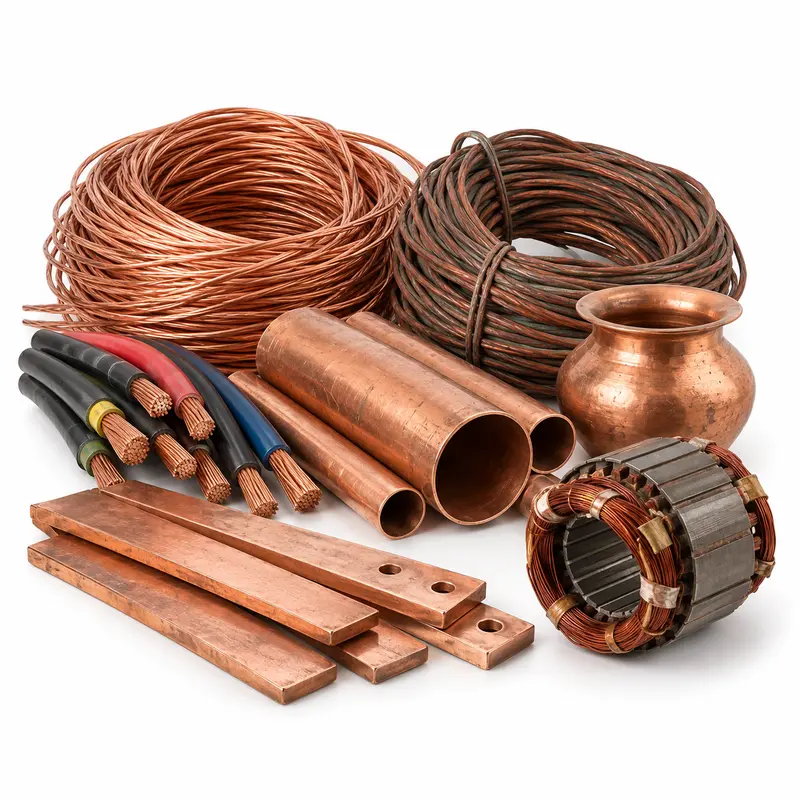
Copper Scrap

Copper Scrap

Copper wires, pipes, coils, utensils, motor windings and other recyclable components.

View Copper Scrap options
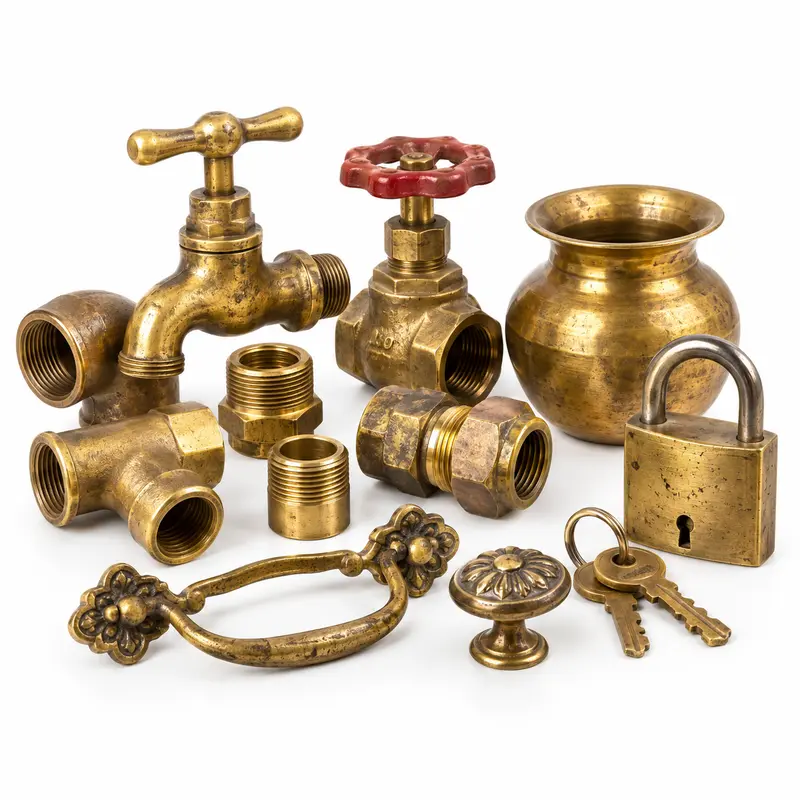
Brass Scrap

Brass Scrap

Brass fittings, taps, valves, utensils, locks, decorative items and mixed brass.

View Brass Scrap options
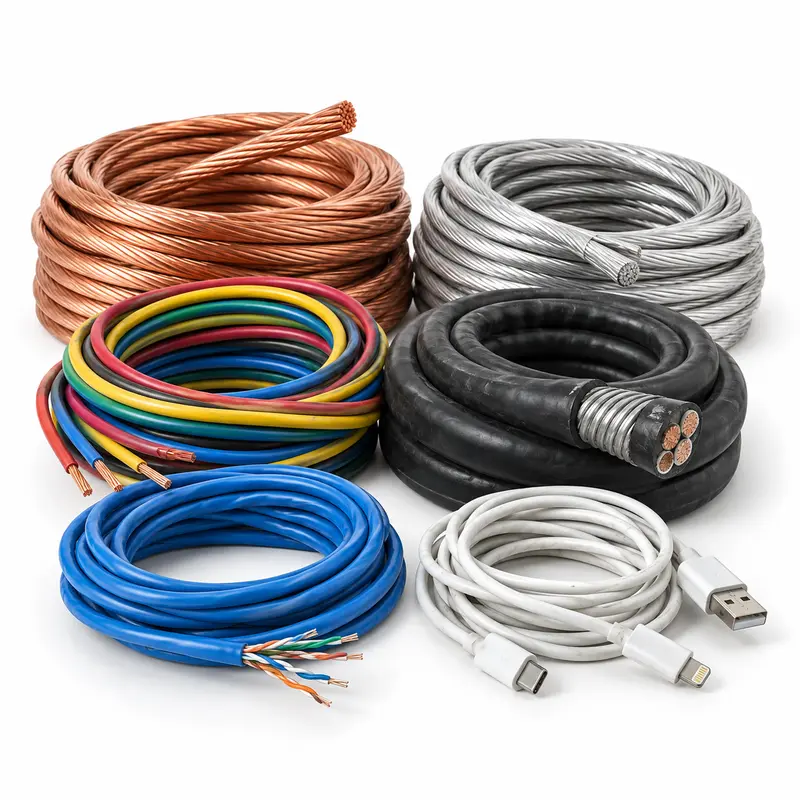
Wire and Cable Scrap

Wire and Cable Scrap

Copper, aluminium, electrical, armoured, network and other eligible wires and cables.

View Wire and Cable Scrap options
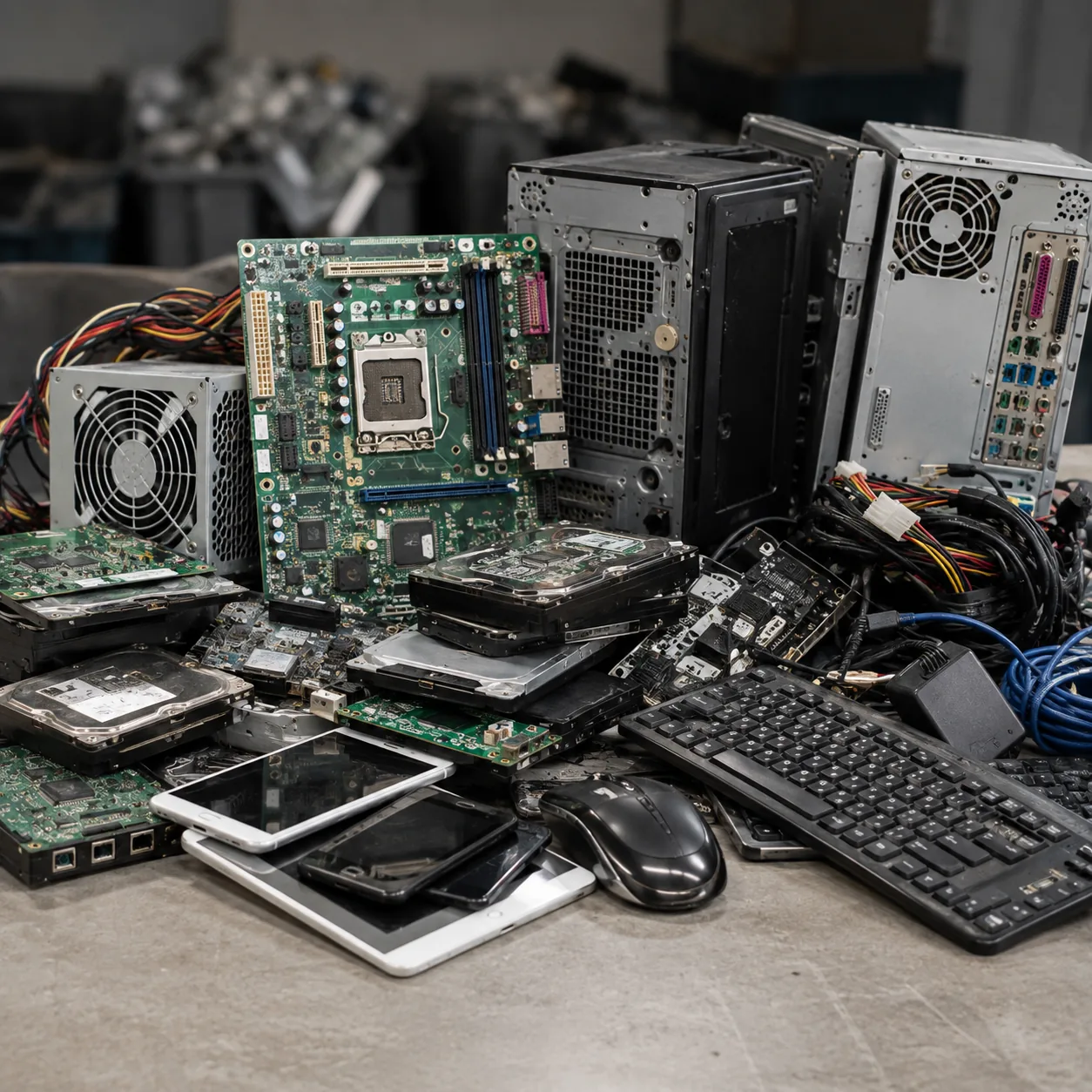
E-Waste and Electronics

E-Waste and Electronics

Phones, laptops, computers, printers, chargers, networking equipment and other electronics.

View E-Waste and Electronics options
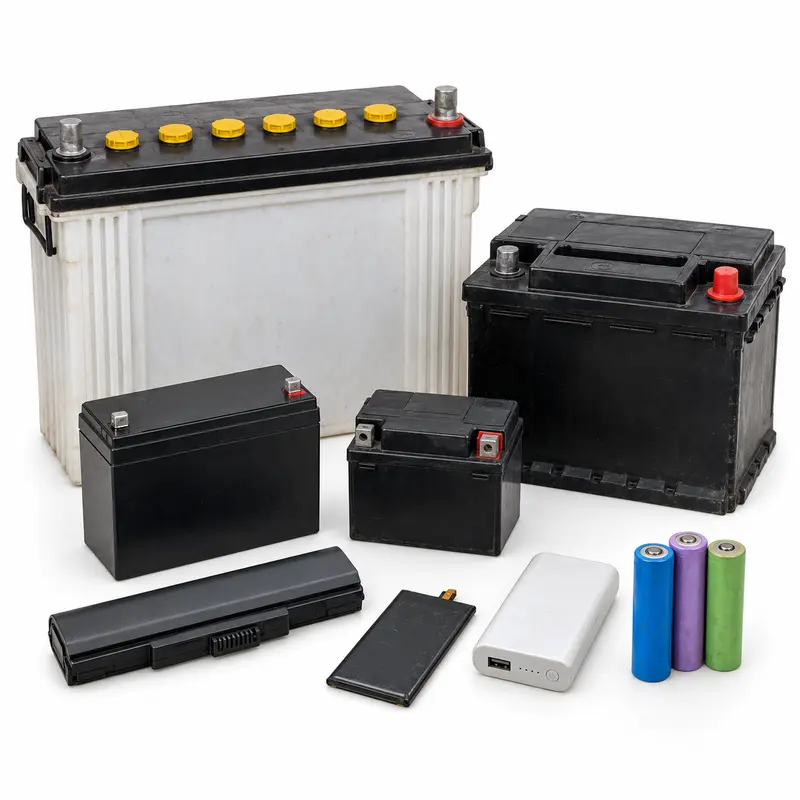
Battery Scrap

Battery Scrap

Eligible inverter, UPS, vehicle, lithium-ion and portable-device batteries.

View Battery Scrap options
Appliance Scrap

Appliance Scrap

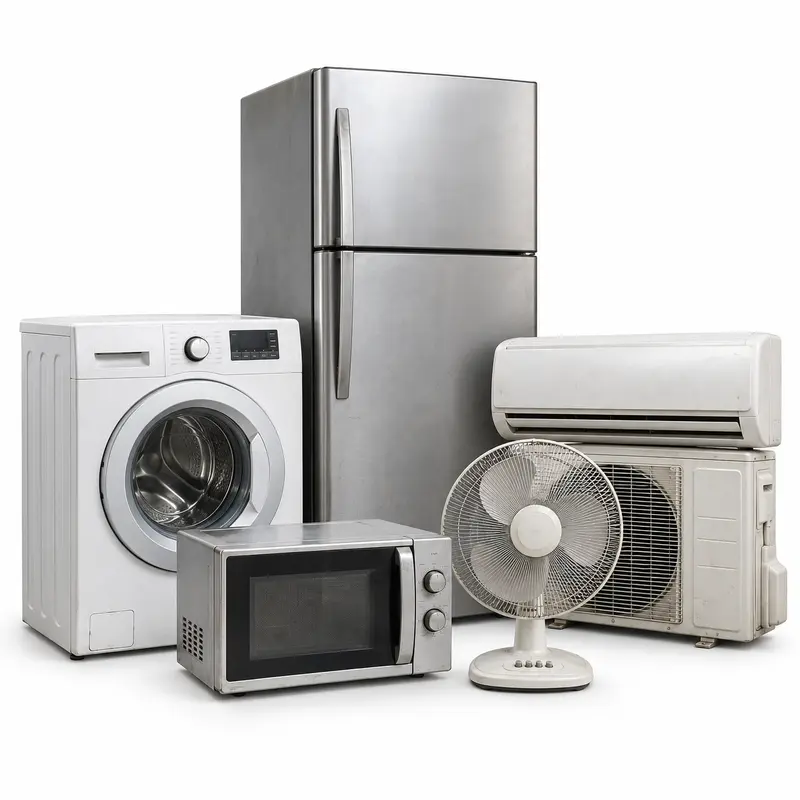
Air conditioners, refrigerators, washing machines, televisions and other eligible appliances.

View Appliance Scrap options
Furniture Scrap

Furniture Scrap

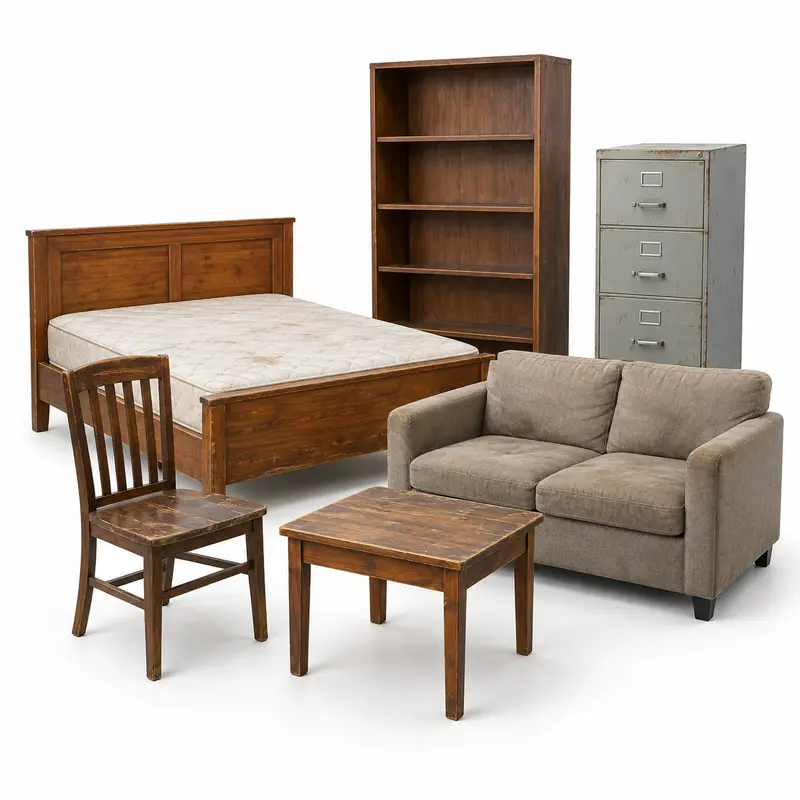
Beds, sofas, tables, chairs, cupboards, wardrobes and eligible office furniture.

View Furniture Scrap options
Office Scrap

Office Scrap

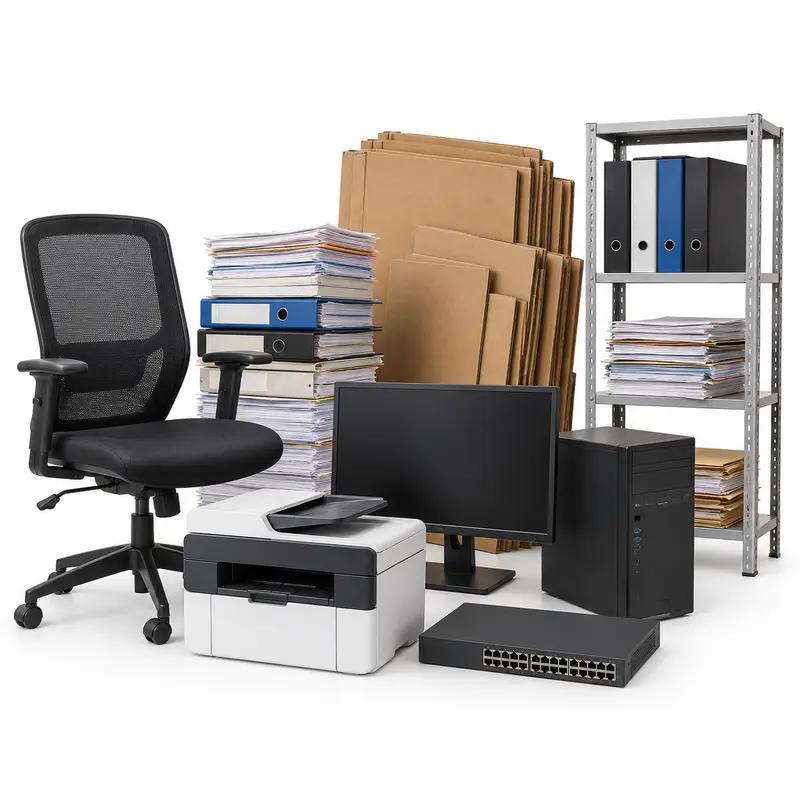
Office paper, furniture, computers, printers, networking equipment and other office items.

View Office Scrap options
Industrial and Machinery Scrap

Industrial and Machinery Scrap

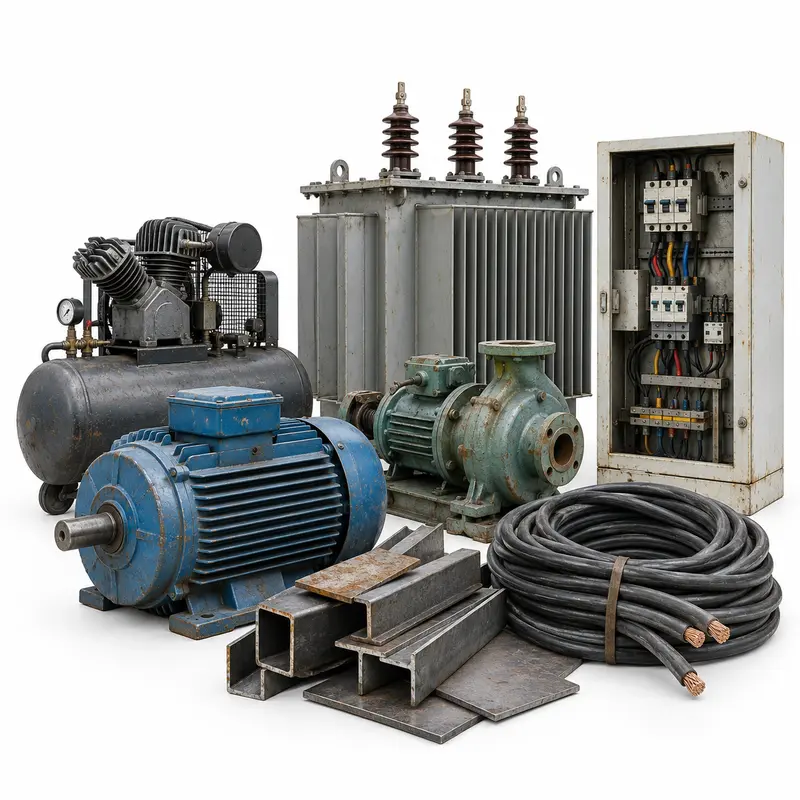
Machinery, motors, generators, transformers, electrical equipment and industrial materials.

View Industrial and Machinery Scrap options
Glass Scrap

Glass Scrap

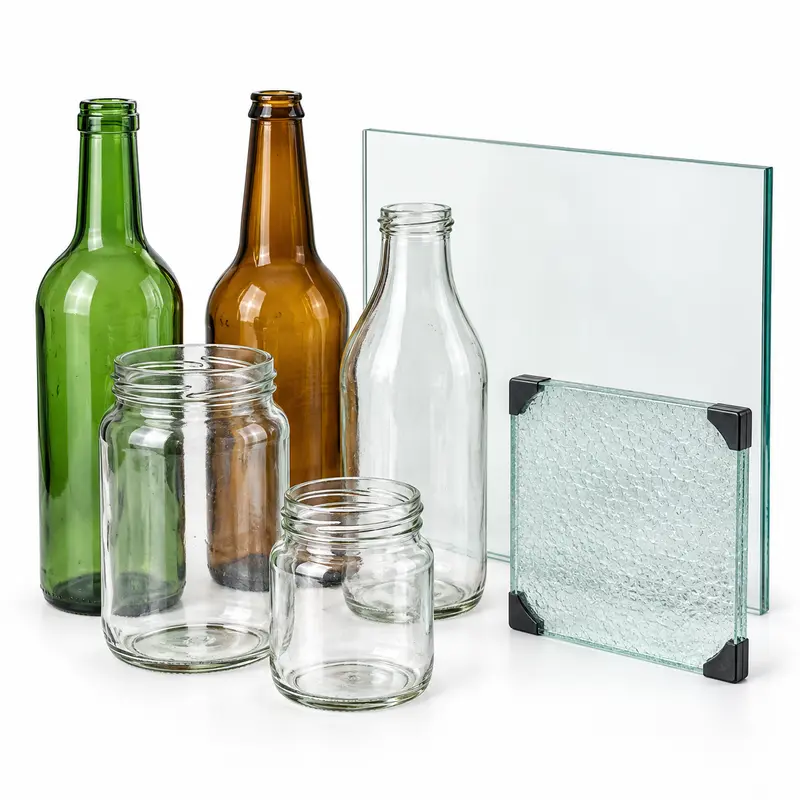
Eligible glass bottles, containers, window glass, flat glass and mixed glass.

View Glass Scrap options
Textile and Used Clothes

Textile and Used Clothes

Reusable clothes, cotton, wool, denim, household fabric and commercial textile material.

View Textile and Used Clothes options
Rubber and Tyre Scrap

Rubber and Tyre Scrap

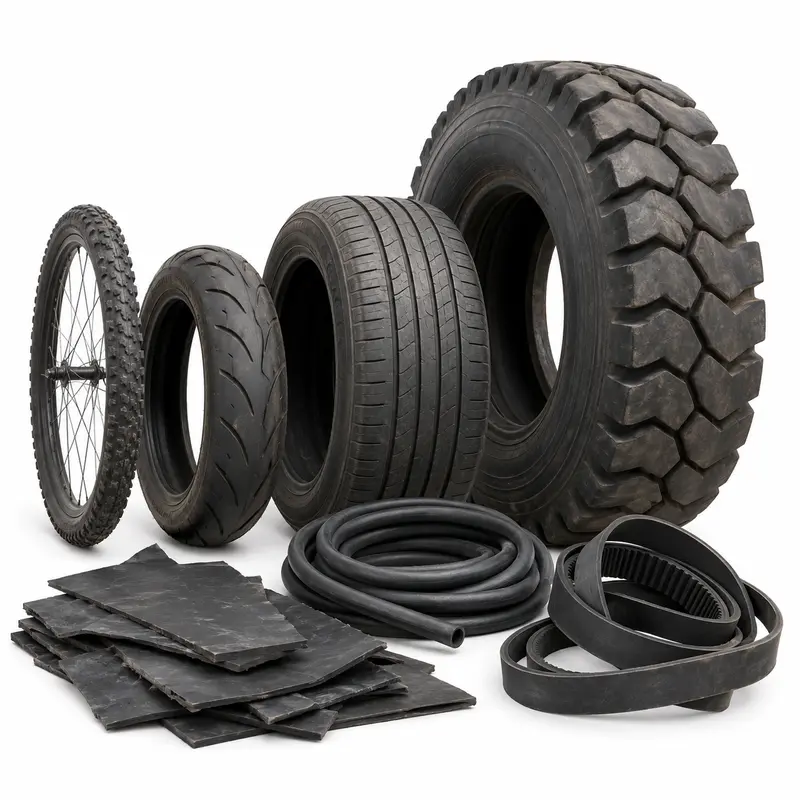
Eligible vehicle tyres, rubber sheets, hoses, belts and other rubber material.

View Rubber and Tyre Scrap options
Hair Scrap

Hair Scrap

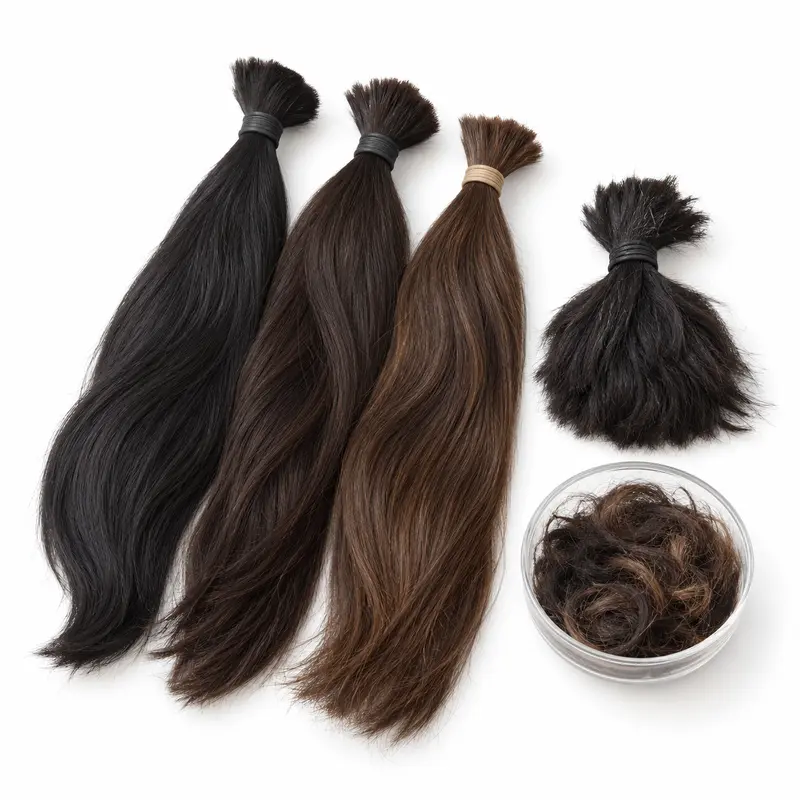
Eligible long, short, salon-cut, sorted and mixed human hair.

View Hair Scrap options
Participating scrap buyers
Pickup options by location
Compare available offers
Business Textile Collection

Bulk Textile and Used-Clothes Collection Options

BharatBin helps retailers, hotels, laundries, manufacturers, institutions and offices find buyers for eligible textile lots.

Reuse-or-Fibre Review
Sorting Requirements
Bulk Collection Requests
Accepted-Quantity Confirmation
Request Bulk Pickup

Commercial Textiles Buyers May Consider

Reusable garments, linen and sorted fabric material

Reusable Garments
Uniforms
Cotton Fabric
Woollens
Denim
Bedsheets and Linen
Curtains
Towels
Fabric Rolls
Production Offcuts
Acceptance and the final offer depend on textile type, fibre, cleanliness, dryness, condition, sorting, quantity, packaging, location and buyer requirements.
Support Center

Frequently Asked
Questions

Have a question that isn't answered here? Find answers to common questions about scrap pickup options available through BharatBin.

Still have questions? Contact Support
Why can textile and used clothes offers vary?
There is no single rate or offer for every item or lot. Participating buyer offers for textile and used clothes may vary according to textile or garment type, fibre composition, reusable condition, cleanliness, dryness, stains or damage, accessories, sorting, quantity, packaging, location and buyer demand. Confirm the accepted classification or item list, evaluation basis and final amount with the selected buyer before completing the sale.
Is there a minimum quantity or pickup charge for textile and used clothes?
Minimum quantities and pickup charges vary by participating buyer, item or material type, quantity and location. Share what you have, the approximate quantity and pickup location, then ask the selected buyer to confirm any minimum requirement, access condition or collection charge.
What textiles and clothes may participating buyers accept?
Participating buyers may accept eligible reusable clothes, cotton, wool, denim, household linen, fabric rolls, production offcuts and selected mixed textiles. Acceptance depends on the exact item or material, condition, quantity, location and selected buyer’s requirements.
Can I arrange pickup for textile and used clothes?
You can explore available collection options through BharatBin. Availability varies by participating buyer and location and may also depend on the item or material type, approximate quantity, condition, access requirements and collection slots.
Are reusable clothes evaluated differently from damaged textiles?
They may be. Clean wearable garments can be considered for reuse, while torn or worn textiles may be assessed by fibre type or processing suitability. The selected buyer confirms which route and classification apply.
Can wet, mouldy or heavily soiled textiles be collected?
Acceptance is buyer-specific and may be unavailable. Moisture, mould, oil, chemicals, strong odour or biological contamination can lead to rejection. Keep textiles dry, disclose the condition and confirm requirements before packing or collection.
How are quantity, weight and payment confirmed for textile and used clothes?
Textile offers may be per item, per sorted lot or based on accepted dry weight. Confirm the classification, excluded material, counted units or weight, pickup charge and final amount. Weighing, counting, evaluation and payment methods vary by buyer.
Can businesses request bulk textile and used clothes collection?
Businesses may request collection for larger quantities of textile and used clothes. Share an itemised description, approximate quantity, condition, pickup location and access details so participating buyers can confirm acceptance, collection availability and commercial terms.

Ready to Compare
Textile and Used Clothes Buyer Options?

Compare participating scrap buyers, review available collection options and request a convenient pickup through BharatBin.