
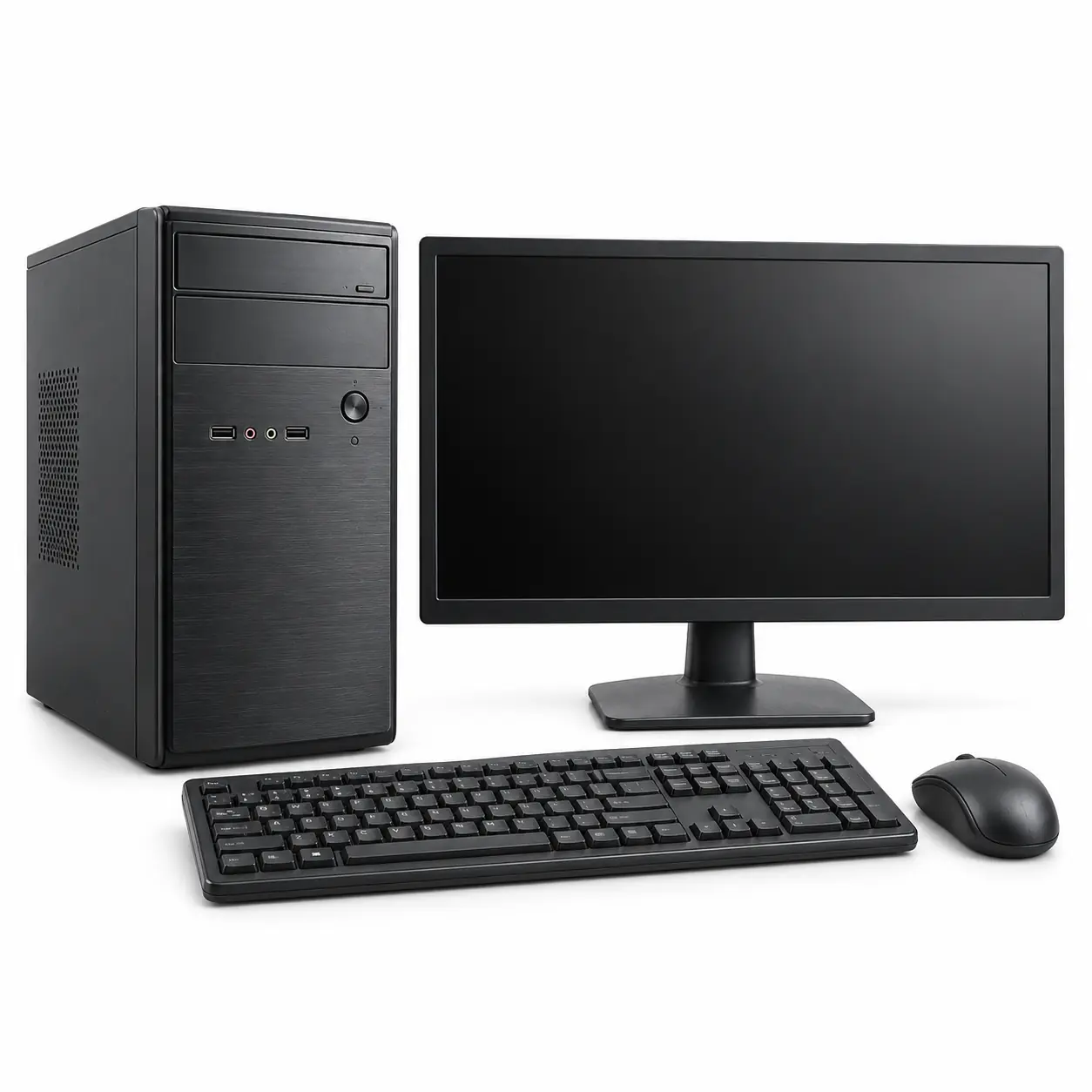
Computer Guide for Shivjot Enclave, Kharar
This computer guide for Shivjot Enclave, Kharar covers the disclosed item or material lot: Record whether computer means a tower, all-in-one or a named complete setup. Leave an unreadable model or unverified specification unknown. Use this broad legacy label only while the actual device format is clarified. A tower with monitor and peripherals, an all-in-one and a laptop should have different inventory records. State the visible model, known included equipment and organisational or personal ownership. If the same complete desktop is also described under desktop or CPU, keep one asset record and resolve the page intent before publication rather than counting it multiple times.
Choose an available material guide for classification and the locality hub for address, ownership and handover planning. Desktop Computers, Shivjot Enclave address and handover guide, Appliances, Battery Scrap, Office Scrap, Wire and Cable Scrap, General category guide, and Offer-factor guide. Acceptance depends on the material type, condition, quantity, collection address and selected buyer.
Computer Details to Record
| Request detail | Details to share |
|---|---|
| Item identity | Record whether computer means a tower, all-in-one or a named complete setup. Leave an unreadable model or unverified specification unknown. |
| Included components | List system unit, display, keyboard, mouse and accessories itemised separately. Identify retained or missing parts before comparing offers. |
| Request scope | Distinguish owner-approved equipment scope and the responsible data process. One physical item should have one inventory entry. |
| Known condition | Disclose the owner's known faults, visible damage and whether operation is known or untested. An exterior photograph or model plate is not a functional diagnosis. |
| Present location | State installed or already released condition, storage floor, measured external dimensions where useful, and the actual exit route. Agree any preparation and carrying separately. |
| Evaluation record | Use an item or asset list showing model where known, completeness, declared condition and excluded accessories. Agree any requested recycling or data documentation separately and record what the recipient actually undertakes. |
| Ownership and information | Identify the authorised device owner. Use the responsible owner's model-appropriate account and data process; keep credentials and private screens out of listing photographs. Collection alone is not certified data destruction. |
Prepare and Confirm the Request
-
Identify the inventory
Record item identity, known condition, quantity unit, included components and release authority. Keep retained and separately owned items outside this lot.
-
Locate the stored lot
Provide the complete address and storage position. For Shivjot Enclave, the address question is Kharar versus Lalru project identity and unit-level release approval. State the actual entrance, floor and handover plan.
-
Compare the same scope
In the BharatBin app, ask participating options about acceptance, inspection, minimum quantity, carrying, specialist work and charges for that disclosed request. Availability is request-dependent.
-
Confirm the inspected outcome
Reconcile the accepted inventory, recorded measurement, agreed rate or item offer, exclusions and charges. Confirm the final payable amount, payment timing and authorised payment recipient before handover.
Pickup-address information
GMADA's historical directory contains a Shivjot Enclave entry for Kharar and a separate Shivjot Enclave entry for Lalru. Retain Kharar in the seller's complete project and unit address so similarly named developments are not confused. For computer using a Shivjot Enclave address, resolve Kharar versus Lalru project identity and unit-level release approval alongside item identity and included components. Retain the enclave, phase or extension on the actual address, then add the house or project unit. Confirm the current authorised entrance and distinguish an individual lot from shared maintenance material. Keep the item identity and included components record attached to that owner's computer inventory and its actual storage location. The recipient should be able to match the disclosed material or device to the address and distinguish quantity estimates from recorded measurements. The Kharar and Lalru records refer to separate address entries. A search result that supplies only Shivjot Enclave is insufficient to identify the premises. Historical utility naming also includes Shivjot wording, but it does not establish a specific building, current access rule or buyer relationship. The practical implication for this computer enquiry is to keep the recorded address attached to its approved inventory: for devices, keep the asset count and included accessories tied to the approving owner. Distinguish where inspection happens from who controls account or data release. A buyer seeing a device at one unit does not gain authority over employer, leased or customer equipment stored there. Confirm whether inspection will take place at storage or an agreed handover point, with carrying and any specialist preparation stated for that disclosed scope. Shivjot Enclave, Kharar — published address terms: Kharar. The historical GMADA directory has separate Shivjot Enclave entries for Kharar and Lalru. The Kharar entry alone is used here; the shared name does not merge their addresses or current rules. If the actual computer lot is at a unit matching one of these individual records, retain that record's project, phase and unit on the request and include the item identity evidence. Separate personal devices from employer, leased or customer equipment at the same address. The responsible owner must decide account and data handling; ordinary collection does not establish certified erasure or destruction. Planning example for Shivjot Enclave (not a reported collection): a resident including Kharar and the unit identifier so a buyer does not act on the Lalru address entry. For this owner's computer request, record item identity and included components for the actual approved inventory and answer the premises question, 'Does the complete project address explicitly identify Kharar?' before agreeing an inspection point. Keep an approach pin distinct from the storage position. If another owner has material at the same entrance, keep a separate inventory reference and accepted quantity. Keep a resident's lot separate from society-maintenance inventory, rented items and landlord fittings. An association or property contact who permits entry is not automatically the owner of every offered item. Record the approving owner and included inventory before inspection. Confirm this lot's evaluation unit: a complete device, a documented equipment batch, or agreed accepted recovery material. Then record whether preparation or movement changes what the recipient will inspect.
Material and handling information
The responsible owner should resolve personal accounts, organisational release and appropriate data handling before handover. A collection request does not itself erase information. List devices with safe identifiers suitable for an asset record while keeping passwords, personal screen contents and confidential data out of public photographs. Retain an item-wise inclusion and exclusion list for chargers, peripherals and storage where the responsible owner has already made the decision. No drive extraction, credential bypass, battery removal, board repair or data-sanitisation procedure is provided. Confirm an appropriate documented data process with the responsible owner and any selected service; buyer acceptance does not establish certified destruction, sanitisation or the right to release employer-owned equipment.
Ask About the Actual Inventory and Premises
Use consistent descriptions and quantity units, then confirm inspected terms.
| Comparison point | What to check |
|---|---|
| Same disclosed inventory | Record whether computer means a tower, all-in-one or a named complete setup. Leave an unreadable model or unverified specification unknown. |
| Condition and inclusions | List system unit, display, keyboard, mouse and accessories itemised separately. Identify retained or missing parts before comparing offers. |
| Evaluation unit | Confirm per-device, complete-set or accepted-material terms and whether stated accessories affect the offer. Device count, storage capacity and model age do not determine accepted weight or a guaranteed rate. Record accepted devices, rejected parts, charges and final payment after inspection. |
| Owner and premises | Keep a resident's lot separate from society-maintenance inventory, rented items and landlord fittings. An association or property contact who permits entry is not automatically the owner of every offered item. Record the approving owner and included inventory before inspection. |
| Final amount | Record accepted quantity or items, exclusions, deductions, charges, final payable amount and payment timing. |
Buyer participation for this computer request in Shivjot Enclave has not been checked against a current request-scoped feed. Use the BharatBin app with the actual inventory, condition, quantity and full premises to review participating options. Confirm acceptance, slot, minimum quantity, carrying responsibility and any charge with the selected option. A published project address supplies identity context, not current collection coverage.
Illustrative Request Example
Illustrative Computer Request in Shivjot Enclave, Kharar
Not a pickup recordThis hypothetical planning example shows information a customer could disclose. It is not a BharatBin pickup record, testimonial, proof of buyer coverage or an observed property-access arrangement.
- Example locality
- Shivjot Enclave, Kharar
- Example material
- Example disclosure checklist: Item identity: Record whether computer means a tower, all-in-one or a named complete setup. Leave an unreadable model or unverified specification unknown. Included components: List system unit, display, keyboard, mouse and accessories itemised separately. Identify retained or missing parts before comparing offers.
- Quantity details
- Example measurement checklist: Confirm per-device, complete-set or accepted-material terms and whether stated accessories affect the offer. Device count, storage capacity and model age do not determine accepted weight or a guaranteed rate. Record accepted devices, rejected parts, charges and final payment after inspection.
- Property access
- Example address checklist for Shivjot Enclave, Kharar: GMADA's historical directory contains a Shivjot Enclave entry for Kharar and a separate Shivjot Enclave entry for Lalru. Retain Kharar in the seller's complete project and unit address so similarly named developments are not confused.
A participating buyer would still need to confirm acceptance, inspection, the evaluation unit, collection availability, carrying responsibilities, applicable charges and the final offer for the actual request.
This hypothetical example does not establish current buyer coverage, accepted quantities, collection slots, property-entry rules, charges or a fixed rate.
Illustrative Request Example
Computer planning in Shivjot Enclave
Not a pickup recordPlanning example for Shivjot Enclave (not a reported collection): a resident including Kharar and the unit identifier so a buyer does not act on the Lalru address entry. For this owner's computer request, record item identity and included components for the actual approved inventory and answer the premises question, 'Does the complete project address explicitly identify Kharar?' before agreeing an inspection point. Keep an approach pin distinct from the storage position.
If another owner has material at the same entrance, keep a separate inventory reference and accepted quantity. Keep a resident's lot separate from society-maintenance inventory, rented items and landlord fittings. An association or property contact who permits entry is not automatically the owner of every offered item. Record the approving owner and included inventory before inspection. Confirm this lot's evaluation unit: a complete device, a documented equipment batch, or agreed accepted recovery material. Then record whether preparation or movement changes what the recipient will inspect.
This hypothetical planning example does not confirm buyer coverage, material acceptance or collection availability.