
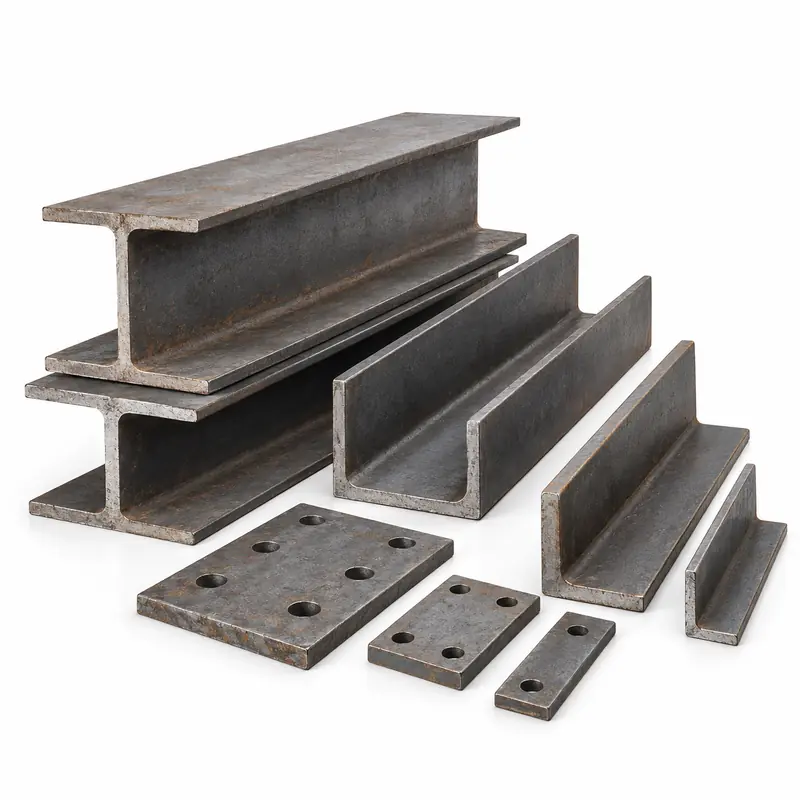
Fabrication Scrap Guide for Sector 125, Kharar
This fabrication scrap guide for Sector 125, Kharar covers the disclosed item or material lot: Loose offcuts, remnants, rejected pieces and supported dimensions. A fabrication lot should identify already loose offcuts, rejected pieces, sheet remnants and other owner-approved material. Keep supported metal groups separate where practical and retain uncertainty for mixed stock. State coatings, welds, fasteners, sharp forms and attached material. Reusable stock, hired frames and installed structural members should not enter the lot simply because they are visible in a workshop or site photograph.
Choose an available material guide for classification and the locality hub for address, ownership and handover planning. Sector 125 address and handover guide, Industrial Scrap, Wire and Cable Scrap, Iron Scrap, Steel Scrap, Copper Scrap, Fabrication Scrap, General category guide, and Offer-factor guide. Acceptance depends on the material type, condition, quantity, collection address and selected buyer.
Fabrication Scrap Details to Record
| Request detail | Details to share |
|---|---|
| Forms | Loose offcuts, remnants, rejected pieces and supported dimensions. |
| Material records | Known metal/source or declared uncertainty; no visual alloy certification. |
| Attachments | Welds, coatings, fasteners and unlike material. |
| Exclusions | Reusable stock, hired assemblies and installed structural members. |
| Ownership | Separate contractor/owner approval and quantity groups. |
| Terms | Accepted weighing, container tare, loading scope and deductions. |
Prepare and Confirm the Request
-
Identify the inventory
Record forms, known condition, quantity unit, included components and release authority. Keep retained and separately owned items outside this lot.
-
Locate the stored lot
Provide the complete address and storage position. For Sector 125, the address question is sector, project and phase distinction with separate release authority. State the actual entrance, floor and handover plan.
-
Compare the same scope
In the BharatBin app, ask participating options about acceptance, inspection, minimum quantity, carrying, specialist work and charges for that disclosed request. Availability is request-dependent.
-
Confirm the inspected outcome
Reconcile the accepted inventory, recorded measurement, agreed rate or item offer, exclusions and charges. Confirm the final payable amount, payment timing and authorised payment recipient before handover.
Pickup-address information
CGEWHO's historical document addresses Kendriya Vihar Phase II as Sunny Enclave, Sector 125, Kharar, Mohali. A separate historical SEIAA record names Shivalik Avenue in Sector 125, Kharar. These are distinct project-address references within the sector wording, not interchangeable names for one society. For fabrication scrap using a Sector 125 address, resolve sector, project and phase distinction with separate release authority alongside forms and material records. Add the actual residential project, commercial property or independent unit to the sector number. Preserve its floor and entrance details; one sector reference does not supply shared access rules for different properties. Keep the forms and material records record attached to that owner's fabrication scrap inventory and its actual storage location. The recipient should be able to match the disclosed material or device to the address and distinguish quantity estimates from recorded measurements. Retain Kendriya Vihar's phase and the individual unit when they apply. Shivalik Avenue must not be rewritten as Shivalik City, whose historical record uses Sector 127 and Kharar–Landran Road. A sector number identifies an address context rather than a unique gate or collection point. The practical implication for this fabrication scrap enquiry is to keep the recorded address attached to its approved inventory: for complete assets, name the current installed or released state and the included equipment. Keep inspection access separate from competent isolation, lifting and residue handling; a road or project address provides no evidence that those site tasks are available. Confirm whether inspection will take place at storage or an agreed handover point, with carrying and any specialist preparation stated for that disclosed scope. Kendriya Vihar Phase II — published address terms: Sunny Enclave, Sector 125, Kharar, Mohali. CGEWHO's historical address document uses Kendriya Vihar Phase II, Sunny Enclave, Sector 125, Kharar, Mohali. Preserve Phase II and the actual unit. The document does not establish Phase I rules or a New Sunny Enclave association. Shivalik Avenue — published address terms: Sector 125, Kharar, SAS Nagar. The historical record uses Sector 125, Kharar for Shivalik Avenue. This is a project-address comparison, not evidence that it is Shivalik City or that every Sector 125 unit belongs to it. If the actual fabrication scrap lot is at a unit matching one of these individual records, retain that record's project, phase and unit on the request and include the forms evidence. Nominate the releasing asset owner and the people responsible for competent isolation, disconnection, residue handling or lifting where applicable. Collection interest alone does not establish that the recipient can perform site work. Planning example for Sector 125 (not a reported collection): a Kendriya Vihar Phase II resident giving the actual unit while retaining Sunny Enclave and Sector 125 address terms. For this owner's fabrication scrap request, record forms and material records for the actual approved inventory and answer the premises question, 'Which project, phase and unit are within the actual address?' before agreeing an inspection point. Keep an approach pin distinct from the storage position. If another owner has material at the same entrance, keep a separate inventory reference and accepted quantity. A resident's personal lot, an association's common-area inventory and a maintenance contractor's equipment need separate release approval. Keep phase and owner distinctions in the inventory and payment record, especially when a contact coordinates more than one building or household. Confirm this lot's evaluation unit: a specified complete asset, approved asset batch, or measured accepted material group. Then record whether preparation or movement changes what the recipient will inspect.
Material and handling information
Offer only released material that can be described safely in its existing form. Keep stable storage, access and competent carrying arrangements under the responsible premises contact. Do not cut structural members, grind coatings or create new fragments to meet an assumed collection requirement. Disclose sharp edges and unknown residues without asking a general buyer to undertake unidentified hazardous processing. Collection of loose offcuts is not demolition, structural clearance, hot work, coating removal or contamination treatment. Installed supports and fabricated assemblies need their own owner and competent release decision. A workshop's address does not show that all stock belongs to the operator or that unrestricted vehicle loading is permitted.
Ask About the Actual Inventory and Premises
Use consistent descriptions and quantity units, then confirm inspected terms.
| Comparison point | What to check |
|---|---|
| Same disclosed inventory | Loose offcuts, remnants, rejected pieces and supported dimensions. |
| Condition and inclusions | Known metal/source or declared uncertainty; no visual alloy certification. |
| Evaluation unit | List estimated quantities by disclosed group and identify containers, attachments and retained material. Confirm accepted classification, gross-versus-net recording and any agreed tare. Ask how rejected pieces, mixed material, labour, loading and transport affect the final amount. Keep each contractor's inventory and payment identifiable when several owners use the same premises. |
| Owner and premises | A resident's personal lot, an association's common-area inventory and a maintenance contractor's equipment need separate release approval. Keep phase and owner distinctions in the inventory and payment record, especially when a contact coordinates more than one building or household. |
| Final amount | Record accepted quantity or items, exclusions, deductions, charges, final payable amount and payment timing. |
Buyer participation for this fabrication scrap request in Sector 125 has not been checked against a current request-scoped feed. Use the BharatBin app with the actual inventory, condition, quantity and full premises to review participating options. Confirm acceptance, slot, minimum quantity, carrying responsibility and any charge with the selected option. A published project address supplies identity context, not current collection coverage.
Illustrative Request Example
Illustrative Fabrication Scrap Request in Sector 125, Kharar
Not a pickup recordThis hypothetical planning example shows information a customer could disclose. It is not a BharatBin pickup record, testimonial, proof of buyer coverage or an observed property-access arrangement.
- Example locality
- Sector 125, Kharar
- Example material
- Example disclosure checklist: Forms: Loose offcuts, remnants, rejected pieces and supported dimensions. Material records: Known metal/source or declared uncertainty; no visual alloy certification.
- Quantity details
- Example measurement checklist: List estimated quantities by disclosed group and identify containers, attachments and retained material. Confirm accepted classification, gross-versus-net recording and any agreed tare. Ask how rejected pieces, mixed material, labour, loading and transport affect the final amount. Keep each contractor's inventory and payment identifiable when several owners use the same premises.
- Property access
- Example address checklist for Sector 125, Kharar: CGEWHO's historical document addresses Kendriya Vihar Phase II as Sunny Enclave, Sector 125, Kharar, Mohali. A separate historical SEIAA record names Shivalik Avenue in Sector 125, Kharar. These are distinct project-address references within the sector wording, not interchangeable names for one society.
A participating buyer would still need to confirm acceptance, inspection, the evaluation unit, collection availability, carrying responsibilities, applicable charges and the final offer for the actual request.
This hypothetical example does not establish current buyer coverage, accepted quantities, collection slots, property-entry rules, charges or a fixed rate.
Illustrative Request Example
Fabrication Scrap planning in Sector 125
Not a pickup recordPlanning example for Sector 125 (not a reported collection): a Kendriya Vihar Phase II resident giving the actual unit while retaining Sunny Enclave and Sector 125 address terms. For this owner's fabrication scrap request, record forms and material records for the actual approved inventory and answer the premises question, 'Which project, phase and unit are within the actual address?' before agreeing an inspection point. Keep an approach pin distinct from the storage position.
If another owner has material at the same entrance, keep a separate inventory reference and accepted quantity. A resident's personal lot, an association's common-area inventory and a maintenance contractor's equipment need separate release approval. Keep phase and owner distinctions in the inventory and payment record, especially when a contact coordinates more than one building or household. Confirm this lot's evaluation unit: a specified complete asset, approved asset batch, or measured accepted material group. Then record whether preparation or movement changes what the recipient will inspect.
This hypothetical planning example does not confirm buyer coverage, material acceptance or collection availability.