
Steel Utensils Pickup Guide

Steel Utensils Pickup and Evaluation Options

Review stainless versus ordinary steel, magnetic response, food residue, coating, handles and weight before comparing participating buyers and requesting an available collection option.

Acceptance Varies by Buyer
Pickup Subject to Availability
Final Offer After Inspection
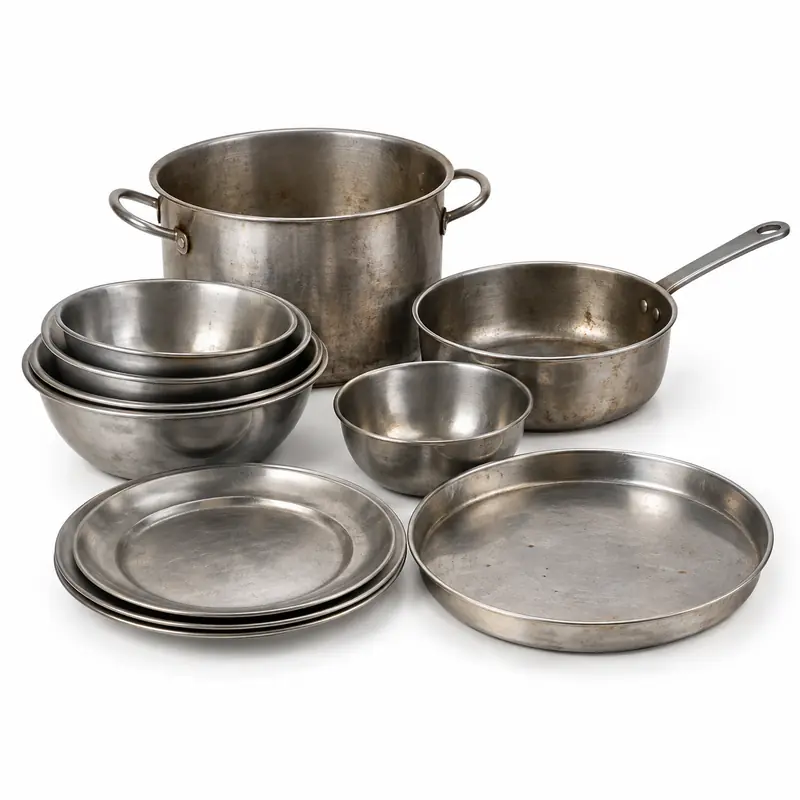
Steel Utensils arranged safely for scrap, reuse or recycling pickup evaluation

Request Steel Utensils Pickup in 4 Simple Steps

Share accurate item details, compare participating buyers and confirm collection terms and the final offer.

Add Steel Utensils Details

Mention item type, approximate count or weight, condition, attachments and clear photographs of the steel utensils.

Compare Buyer Options

Review participating buyers that may consider the disclosed steel utensils in your location.

Request Pickup

Choose an available collection option and confirm minimum quantity, access, preparation, loading and any pickup charge.

Confirm the Final Offer

The selected buyer confirms acceptance, classification, measurement, deductions, payment and the final offer after inspection.

Steel Utensils Pickup, Evaluation and Recycling Guide

Sell Steel Utensils Scrap Online

Clear item, condition, quantity and material details make steel utensils easier to evaluate. Common examples may include plain steel pots, pans, plates, bowls, trays and kitchen containers. BharatBin helps customers compare participating buyer options where available.

Before requesting collection, provide representative photographs and describe the approximate count or weight, dimensions, condition and attachments. Participating buyers may evaluate stainless versus ordinary steel, magnetic response, food residue, coating, handles and weight. Information shared before pickup is not a guaranteed offer; the selected buyer confirms acceptance, classification, measurement, deductions and final value after inspection.

Recycling Steel Utensils Scrap

Materials and items that may be recoverable

Steel is a ferrous material that can enter established metal-recovery routes when grades and attachments are identified. Products commonly called iron may be steel, so buyer inspection determines the final classification. For steel utensils, relevant inspection factors include stainless versus ordinary steel, magnetic response, food residue, coating, handles and weight. Keep the disclosed material separate from unrelated waste and follow the selected buyer's preparation instructions.

  • Household Scrap
  • Office Scrap
  • Bulk Quantities
  • Recyclable Materials
Item acceptance depends on the selected buyer, quantity, condition and pickup availability.

What to Confirm Before Steel Utensils Pickup

Check acceptance, condition, measurement and collection terms

Before requesting collection, share the exact item types, representative photographs, approximate count or weight, dimensions, condition and any mixed or attached materials. Highlight stainless versus ordinary steel, magnetic response, food residue, coating, handles and weight. Wash only ordinary safe residue, dry items and separate stainless-looking utensils for buyer inspection. Ask the selected buyer to confirm accepted items, required sorting or containment, minimum quantity, available pickup slot, access and loading responsibility, collection or labour charges, measurement method, deductions, payment method, documentation when required and the final classification after inspection.

  • Accepted Steel Utensils Types
  • Grade, Form or Composition
  • Condition and Contamination
  • Sorting and Safe Preparation
  • Pickup, Access and Loading
  • Measurement, Deductions and Payment
Share accurate item details before pickup. The selected buyer confirms acceptance, evaluation terms and the final offer after inspection.

Arrange Steel Utensils Scrap Pickup

Pickup availability for steel utensils depends on customer location, quantity, dimensions, property or site access and participating buyers operating nearby. Participating buyers may still set minimum-quantity, sorting and collection conditions before accepting the request.

Request Pickup
Material Price Guides

Related Material Rate Guides

Steel Utensils may be assessed using material context covered by the Steel and Iron guides. Use these pages only for general classification and evaluation reference; participating buyers may assess intact or mixed items rather than treating every component separately. Relevant factors include stainless versus ordinary steel, magnetic response, food residue, coating, handles and weight, and the selected buyer confirms the final classification after inspection.

These rate guides are for general reference. The final offer for steel utensils may depend on stainless versus ordinary steel, magnetic response, food residue, coating, handles and weight, quantity, location and buyer inspection.
Support Center

Frequently Asked
Questions

Have a question that isn't answered here? Find answers to common questions about scrap pickup options available through BharatBin.

Still have questions? Contact Support
What steel utensils may participating buyers consider?
Participating buyers may consider plain steel pots, pans, plates, bowls, trays and kitchen containers. Acceptance depends on the exact item or material type, condition, quantity, location, access and selected buyer requirements. Share representative photographs instead of assuming that every visually similar item has the same classification.
How are steel utensils evaluated before pickup?
A buyer may consider stainless versus ordinary steel, magnetic response, food residue, coating, handles and weight. Details and photographs can support only a preliminary assessment; the selected buyer confirms acceptance, classification, measured quantity, deductions and the final offer after physical inspection.
How should I prepare steel utensils for collection?
Wash only ordinary safe residue, dry items and separate stainless-looking utensils for buyer inspection. Contain sharp offcuts, disclose coatings and residue, and agree cutting, lifting and loading responsibility before collection. Confirm the requested sorting, containment and preparation standard with the selected buyer before changing, dismantling or combining the items.
Why should steel utensils be kept separate from unrelated scrap?
Separation makes the disclosed lot easier to inspect because buyers may evaluate stainless versus ordinary steel, magnetic response, food residue, coating, handles and weight. Mixing unrelated material can reduce recoverable yield, create handling risks or result in reclassification, deductions or refusal by a particular buyer.
Does BharatBin publish a guaranteed rate for steel utensils?
No. BharatBin provides marketplace and general evaluation information for Steel Utensils. The selected buyer determines acceptance, classification, measurement, applicable deductions, payment and the final offer after inspecting the actual lot.
Can damaged or incomplete steel utensils be included?
Some participating buyers may consider damaged or incomplete steel utensils, but acceptance is not automatic. Disclose missing parts, contamination, unsafe damage and attached materials clearly; do not conceal a condition that could affect handling or classification.
Is doorstep pickup always available for steel utensils?
No. Pickup depends on customer location, item type, quantity or weight, dimensions, property access and participating buyers operating nearby. Confirm minimum quantity, collection slot, loading responsibility and any pickup charge before booking.
Can businesses request bulk pickup for steel utensils?
Yes, fabricators, construction firms, workshops, warehouses, factories and institutions may request bulk collection. Provide an item inventory, representative photographs, approximate count or weight, condition, attachments, site access, loading needs and preferred timing so participating buyers can assess the request.

Ready to Request Pickup for
Steel Utensils?

Share the steel utensils type, condition and approximate quantity, compare participating buyers and request an available collection option.